Front Range FireWise Botanical Garden

A Living Laboratory for Climate Ready Landscapes
By Jason Wiley:
Across Colorado’s Front Range, gardeners are facing a new reality. Wildfire risk, drought, and changing climate conditions are beginning to shape how landscapes are designed and maintained. Many homeowners want gardens that are beautiful and full of life, but are also looking for ways to reduce wildfire risk and conserve water.
The Front Range FireWise Botanical Garden is a proposed public garden concept that would bring those ideas together in one place.
Boulder is one of the largest communities along the Front Range without a public botanical garden. At the same time, the region sits in one of the fastest growing wildfire risk zones in the western United States. A botanical garden focused on fire resilient and climate adapted landscapes could help homeowners, designers, and communities see how gardens can respond to these challenges while remaining vibrant and inviting.
The goal is simple. Instead of reading about fire wise landscapes, visitors would be able to walk through them.
Fire as a Defining Front Range Reality
Wildfire has become a defining force along Colorado’s Front Range. Recent fires have demonstrated that landscapes, buildings, and communities must adapt to a changing climate.
Research has shown that most homes lost during wildfires do not ignite from direct flames. Instead, wind driven embers land in nearby vegetation, mulch, gutters, decks, or other vulnerable areas close to structures. When landscapes and buildings are designed together with wildfire in mind, the risk of ignition can be reduced dramatically.
Fire wise landscaping works best when paired with thoughtful home design and maintenance. The goal is not to eliminate plants or create barren yards, but to design gardens that interrupt fire pathways while still supporting biodiversity, pollinators, and water conservation.
A botanical garden dedicated to this topic would allow people to see these strategies applied in real landscapes.

Gardens That Demonstrate Resilient Design
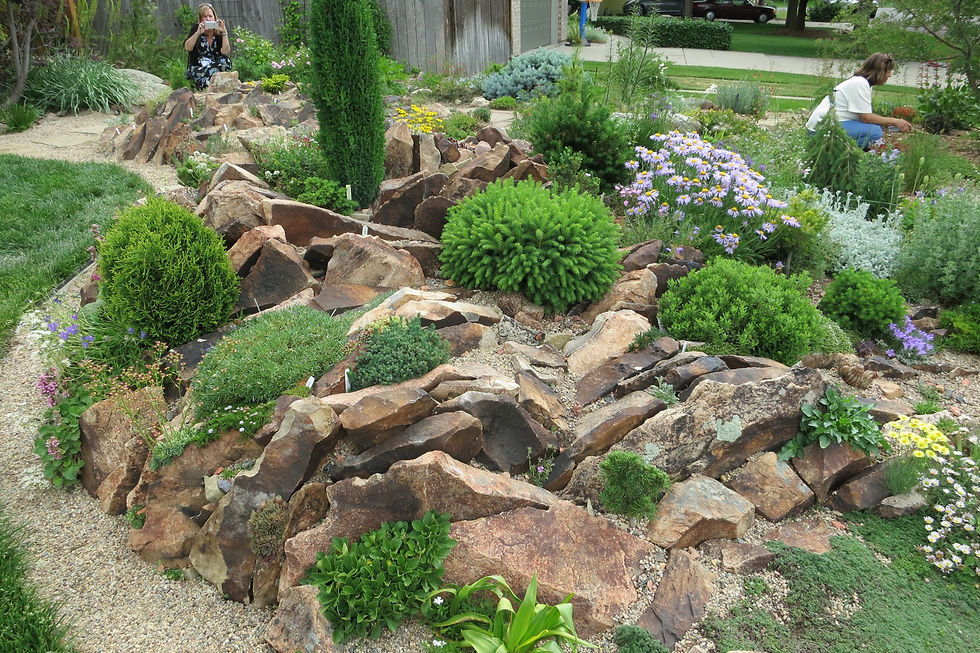
Visitors to the FireWise Botanical Garden would move through a series of demonstration landscapes designed to reduce ignition potential while remaining beautiful and ecologically functional. These gardens could illustrate how plant selection and arrangement shift across defensible space zones, while also highlighting the essential role of ongoing maintenance.
In the zero to five foot zone closest to structures, plantings would emphasize noncombustible materials and very low fuel vegetation. This area could feature gravel and stone paired with low-growing succulent groundcovers such as Sedum species and Delosperma (ice plant), along with smaller cacti like Coryphantha, used in well-spaced, intentional groupings to minimize ignition potential. Just as important, this zone would demonstrate the importance of keeping the area free of leaf litter, woody debris, and other accumulated fuels.
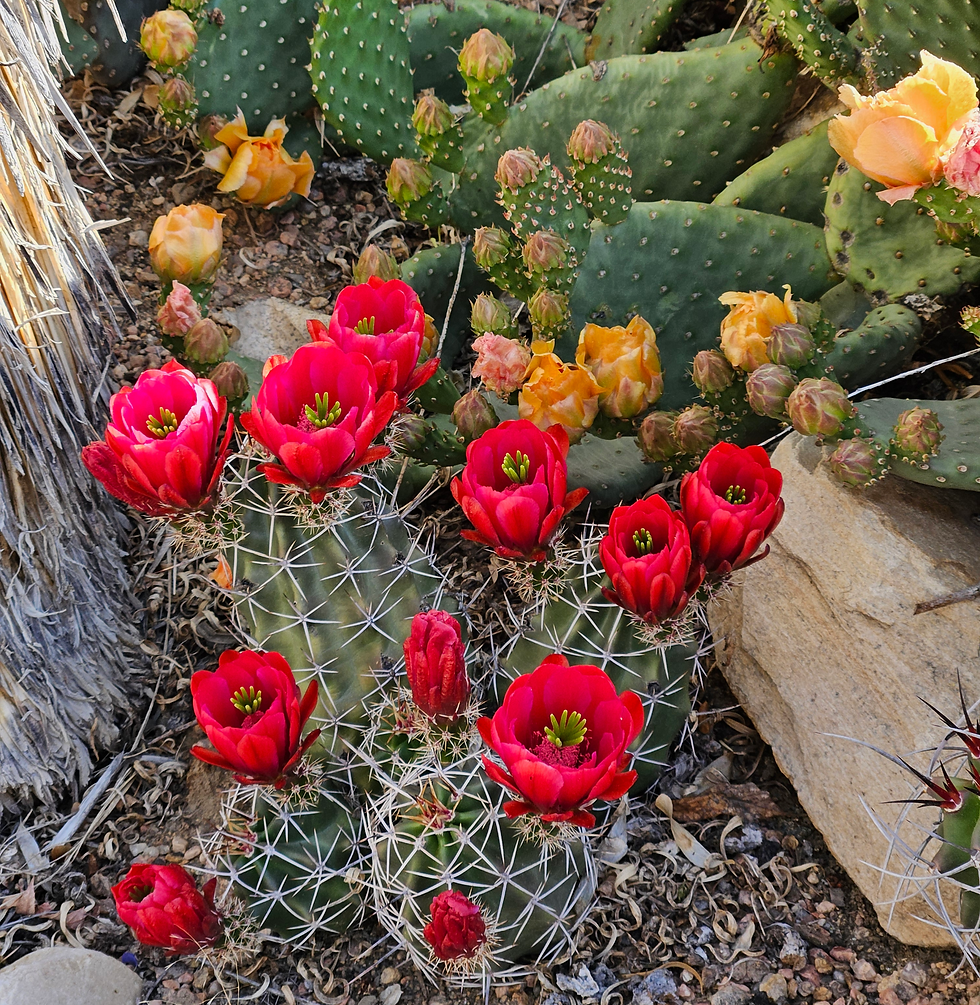
Moving into the five to thirty foot zone, plantings could transition to low flammability perennials such as Penstemon strictus (Rocky Mountain penstemon), Achillea millefolium (yarrow), and Berlandiera lyrata (chocolate flower), combined with deep rooted grasses like Bouteloua gracilis (blue grama) and Schizachyrium scoparium (little bluestem). Structural accents such as Opuntia (prickly pear), select agaves, and yuccas could be incorporated with careful spacing to maintain breaks between plant groupings. Ongoing care in this zone, including seasonal cutbacks, removal of dead material, and monitoring plant density, would help maintain those separations over time.
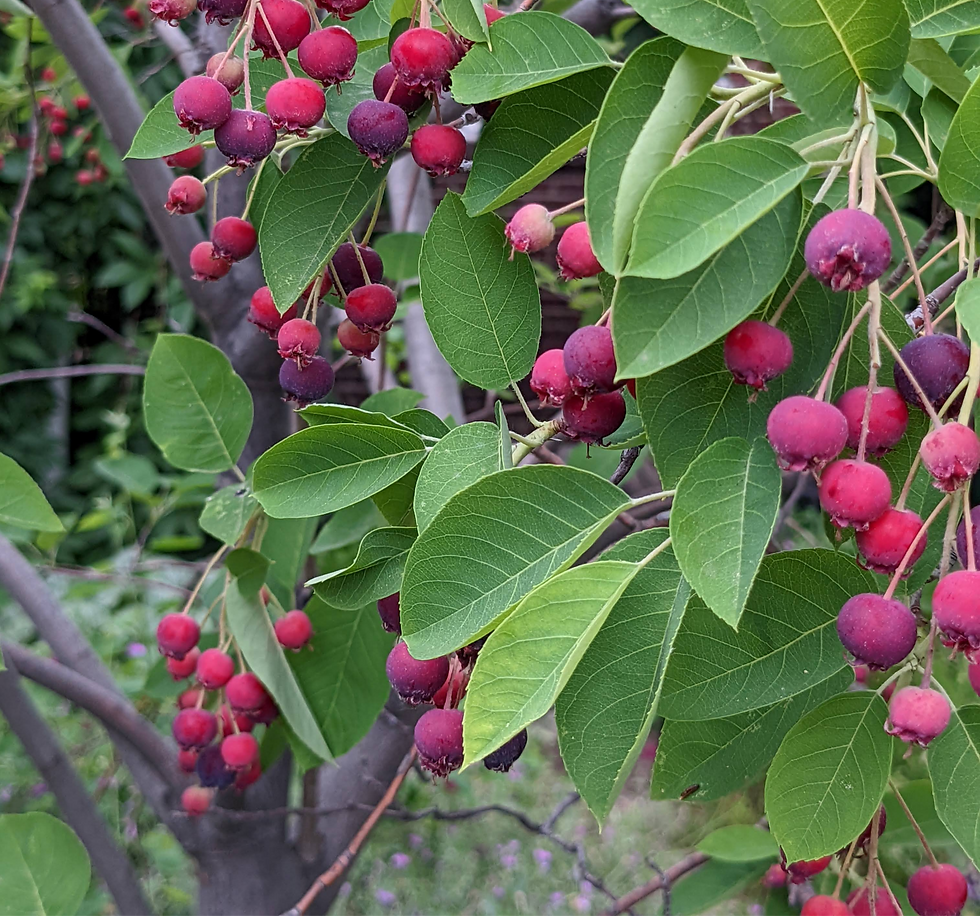
Beyond that, in the 30 to 100’ zone, the landscape could open into more naturalistic plant communities. Thoughtfully managed shrubs such as dwarf selections of Chrysothamnus nauseosus (rabbitbrush) and Ephedra species could be used alongside climate adapted small trees and large shrubs like Amelanchier (serviceberry) and Cercis canadensis (redbud). In this zone, spacing, pruning, and the removal of ladder fuels become especially important in reducing fire intensity and preventing fire from moving into the canopy.
Plant communities across all zones would be designed to improve soil health, retain moisture, and reduce long term irrigation needs. Just as importantly, the garden would demonstrate that maintenance is not an afterthought but a core part of fire-resilient design.
The goal would be to demonstrate that climate adapted landscapes do not have to look sparse or defensive. They can be vibrant, layered, and full of life.
A Visitor and Education Center
At the heart of the garden could be a visitor and education center focused on the relationship between homes and landscapes in wildfire prone environments.
Visitors would learn how ignition resistant building materials, ember resistant vents, and thoughtful landscape design can work together to reduce wildfire risk. Exhibits could illustrate the critical zero to five foot zone around homes where careful design is especially important.
From there, visitors would move into outdoor demonstration landscapes that show how defensible space strategies extend into the surrounding garden.
Seeing these strategies implemented together can make the concept of fire wise landscaping much easier to understand.
Turning Policy into Practice
Across Colorado, communities are beginning to adopt stronger wildfire mitigation policies and water wise landscape standards.
Programs such as Boulder County’s Wildfire Partners initiative are helping homeowners reduce risk through defensible space and home hardening strategies. At the same time, new policies and incentives are encouraging landscapes that use less water and support long term climate resilience.
For many people, these changes represent a new way of thinking about gardens and landscapes.
A FireWise Botanical Garden could serve as a place where homeowners, landscape professionals, and community leaders can see these practices demonstrated in a clear and inspiring way. Instead of simply reading guidelines, visitors would see how resilient landscapes actually function.
Help Shape the Future of a FireWise Botanical Garden in Boulder
Several potential locations in the Boulder area are currently being explored for the development of the FireWise Botanical Garden. Because some of these conversations involve early partnerships and planning discussions, specific sites are not yet being publicly announced.
The vision for the garden is intentionally community driven.
Input from gardeners, landowners, planners, educators, and local organizations is welcome as the idea continues to develop. Potential opportunities could include partnerships with municipalities, collaboration with parks or open space programs, integration into larger wildfire mitigation initiatives, or private land donations that could support a public educational garden.
Community suggestions, partnerships, and site opportunities could all help shape how this project evolves.
Looking Ahead
The Front Range is entering a new era in which wildfire, drought, and climate change will continue to shape our landscapes.
Many Front Range homeowners are surprised to learn that small landscape changes such as plant spacing, mulch choice, and the design of the first five feet around the home can significantly influence wildfire risk. Understanding where those changes matter most often benefits from a professional site assessment.
A garden dedicated to fire adapted and climate resilient landscapes would provide a place where science, horticulture, and public education come together. It would help people visualize what safer and more sustainable landscapes can look like.
And perhaps most importantly, it would show that resilient gardens can still be beautiful.
Jason Wiley is a horticulturist based in Boulder with more than twenty years of experience working in botanical gardens and public landscapes across the West. His background includes work with arid land plants, cactus and succulent collections, and climate adapted landscapes in regions facing drought and wildfire risk. He is the founder of FireWise Horticulture Services. You may contact him at info@firewisehorticulture.com.